

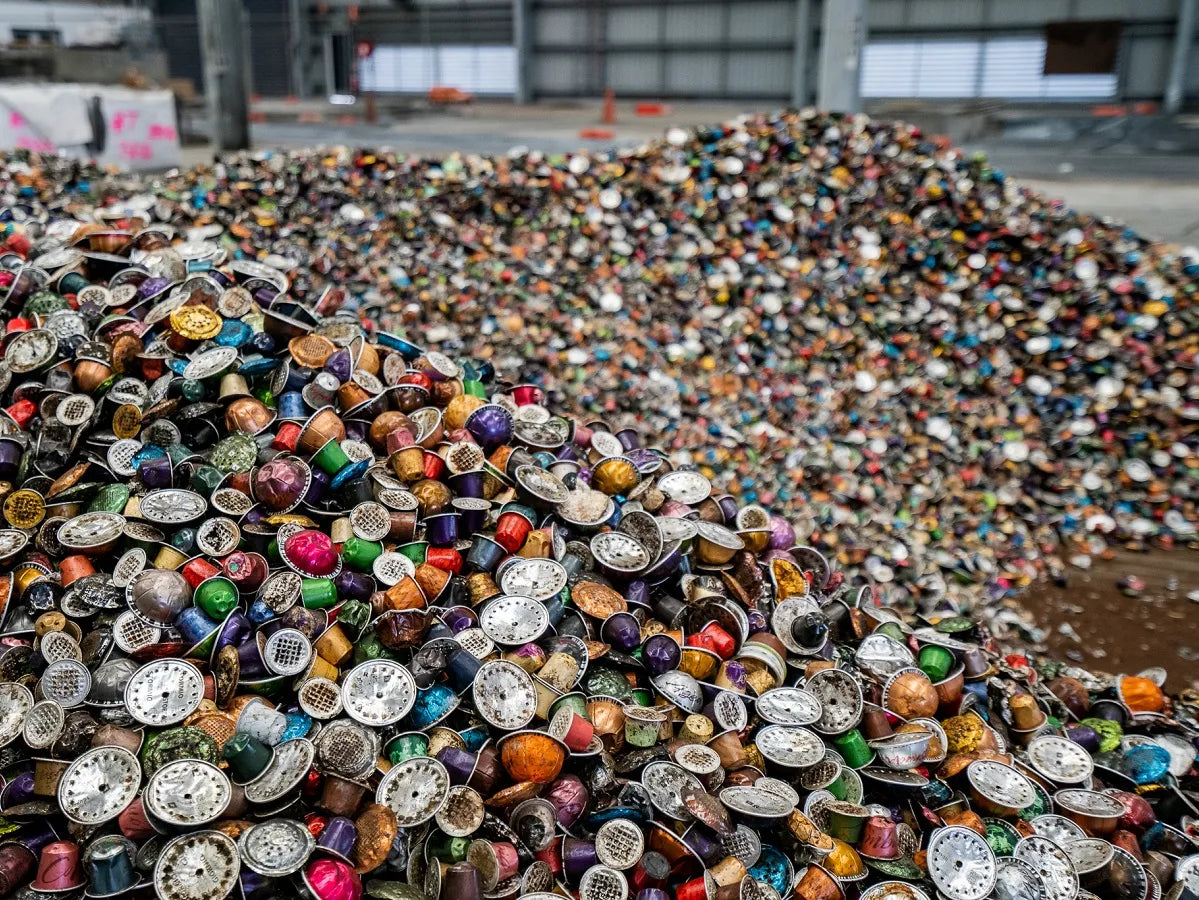
The Problem With Modern Espresso Machines
Most modern espresso machines are designed as appliances, not as long-term tools. They often contain complex electronics, plastic components, and sealed systems that make repair difficult or uneconomical.
When a small part fails, the entire machine is often replaced.
Designed for Replacement
In many cases, modern appliances are cheaper to replace than to repair. This has slowly changed how products are designed and how people use them. Espresso machines, like many household appliances, have become products with a limited lifespan.
- Plastic components wear out
- Electronics fail
- Spare parts are difficult to find
- Repair is often expensive
As a result, many espresso machines are used for a few years and then discarded.
The Hidden Waste of Coffee Equipment
The coffee industry often talks about sustainable sourcing, reusable cups, and packaging. But the machines used to make coffee are rarely part of the sustainability conversation.
A machine that is replaced every few years creates significantly more waste than a machine that lasts decades.
This is where Superkop takes a different approach.
A Different Approach
Superkop was designed as an alternative to disposable appliances. Instead of complex electronics, the machine uses a mechanical lever system and durable materials that can be repaired and maintained over time.
The goal is not to create a machine that lasts forever without maintenance, but a machine that can be maintained and repaired so it can be used for many years.
By focusing on repairability and durability, Superkop challenges the idea that espresso machines are short-term appliances and proposes a different model: long-term ownership instead of replacement.
Teilen:
About Superkop
Built to Be Repaired, Not Replaced